

By: Artur Wilczynski
After enduring a couple of months of Ottawa’s interminable cold, a vacation in Puerto Vallarta, Mexico, seemed like a good idea. My partner and I left on Friday the 13th for what we thought would be a little more than a week of sun, margaritas and an escape from the daily onslaught of bad political news. We had no idea we would get caught up in street fighting between one of Mexico’s most notorious cartels and the country’s security services.
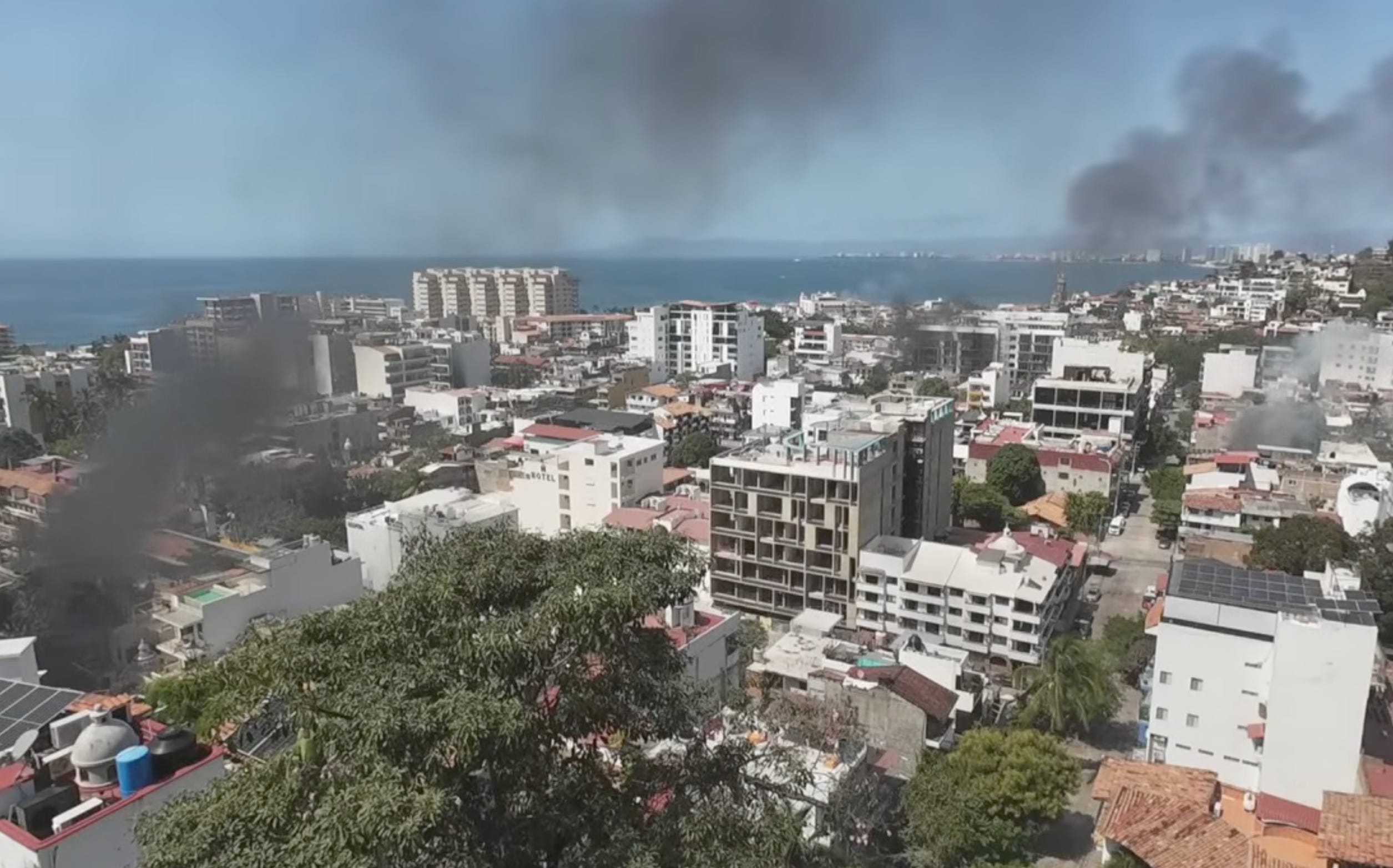
I was getting ready to leave for the airport when everything started to happen. We were all packed, passports and boarding passes in hand, when I thought I could take a final walk on the beach in front of our hotel. Before I left, I noticed a plume of black smoke to the north of us, and thought it was a bad traffic accident. It wasn’t until I started walking south along the beach toward the touristy Zona Romantica that I saw two, five and then over a dozen plumes of smoke rising. The smoke cast an eerie pall over the centre of the city. One didn’t need a background in national security to know that a serious security incident was unfolding.
Unfortunately, my cell phone was still at the hotel, so initially, I had no idea what was happening. I stopped a local on the beach who was looking at the infernos downtown and asked him if he knew what was happening. He simply said “narcos.” That was enough for me to turn around and head back to our hotel.
By the time I returned to the room, smoke was billowing up and down the coast. I had already received a notification that the airport was closed. We received notification from our airline that our flight scheduled to depart at 5 p.m. was cancelled. The hotel told us that we had a “shelter in place” situation. We also received an urgent message from Global Affairs Canada that the security situation was difficult and that we should follow the advice of local authorities.
My experience in and outside government is that people should always register with GAC before they travel. You never know when you’ll need emergency assistance. I was glad I had.
Looking out from our balcony we could see many fires burning to the east and along the coast. By midday, we had heard several explosions and saw that the main road to the airport was blocked by a burning car. The flames were easily visible from our room. Within a couple of hours we saw military helicopters landing at the cruise terminal down the street and flying low over the buildings just outside our balcony.
None of this is what one bargains for when booking a sun holiday. That said, I never personally felt in any danger. Once back at the hotel, things were calm. We had plenty of food and drinks. There are worse places to be caught in a conflict zone than an all-inclusive beach resort. At this time, though the Mexican military has confirmed more than two dozen deaths, there have been no reported losses among local civilians or tourists.
The biggest challenge was getting accurate information. We were in touch with friends who live here in Mexico who shared information from Mexican federal and Jalisco state sources. We accessed information from Global Affairs, the U.S. State Department and other official sites such as the airport authority. We can always use more accurate, verified and timely information.
The biggest cause of stress was the avalanche of disinformation that was circulating on social media. Fake AI images of planes on fire, hysterical reports of gunfights at airports and rumours about imminent attacks against tourists in hotels were being spread by “influencers” more interested in clicks and likes than sharing accurate information. This is dangerous stuff. People make bad decisions based on bad information. In a situation like this, it could have deadly consequences.
By early evening, things had calmed down. I no longer saw plumes of smoke rising across the city. The acrid smell of smoke was everywhere. Not exactly Margaritaville vibes, but we were fine. Last night was quiet, and this morning, as the sun rose from behind the mountains, the city was calm. The challenges we are facing are truly minor. We had to line up to extend our stay at the hotel until our now anticipated Wednesday departure. We still can’t leave the premises of the hotel, though I am starting to notice limited traffic on the streets.
Bottom line? We need to all be resilient. Conflict zones are never what we expect when we go on holiday. The unfortunate reality is that these kinds of emergencies can happen anywhere. From the terrorist attacks on Bondi Beach to tsunamis in Thailand, tourists need to be prepared to face adversity and recognize that government will not always be immediately there to rescue you. Be patient. Know that the folks that are serving you are living through the same trauma. The staff at our hotel had to spend the night here. They couldn’t go home to their families. They were here serving us. They deserve our consideration and respect.
So before you book your next holiday, make sure you understand the risks. Read the travel advice about the location. Be comfortable that you can mitigate those risks and be prepared to adjust if bad things happen. As Canadians, we know how to adapt to challenges at home. We need that same resilience when we travel.
But the main takeaway I had from this experience? Disinformation on social media is a major problem that must be addressed. Accessing good information was hard, accessing bad information was easy, and no doubt many people did. It won’t be long until this gets someone killed, if it hasn’t already. Solving this problem won’t be simple, but it’s urgently necessary. Because this won’t be the last time Canadians or anyone else suddenly find themselves stuck in the middle of an emergency. And knowing what information that they can trust may be the key to saving their lives.
Artur Wilczynski is a retired senior national security executive and former ambassador.
The Line is entirely reader and advertiser funded — no federal subsidy for us! If you value our work, have already subscribed, and still worry about what will happen when the conventional media finishes collapsing, please make a donation today. Please note: a donation is not a subscription, and will not grant access to paywalled content. It’s just a way of thanking us for what we do. If you’re looking to subscribe and get full access, it’s that other blue button!

The Line is Canada’s last, best hope for irreverent commentary. We reject bullshit. We love lively writing. Please consider supporting us by subscribing. Please follow us on social media! Facebook x 2: On The Line Podcast here, and The Line Podcast here. Instagram. Also: TikTok. BlueSky. LinkedIn. Matt’s Twitter. The Line’s Twitter.Jen’s Twitter. Contact us by email: lineeditor@protonmail.com
I enjoyed the article. I just want to express my disagreement with the conclusion and give my take.
We all feel that knee jerk reaction sometimes - “the government needs to step in!”, but after ten years of liberals, I’m totally against this. It will take extreme amounts of convincing to get me to a point where I would agree that the government’s purview should expand
Better solution: stick to reputable institutions (which could include substacks or YouTube channels) rather “bushwhacking” yourself without a guide. You’re not a journalist. You have no expertise in getting the truth. Stay in your lane. Pay for valuable service.
Consumers seeking information will figure it out. If somebody dies in the meantime, that’s fine. People die due to myriad factors. The world isn’t “safe”. Anyone who struggles with this notion needs to grow up and take responsibility.
Anyone who is bothered by having had this experience - drowning in clickbait - should be searching now for those institutions that stayed faithful. If I’m going to Mexico next month, where should I get my news? A little bit of cultural evolution here will be sufficient, imo.
"Disinformation needs to be addressed " is where the problem starts: western Govts have turned it into an art form and suggesting they are the ones to fix it is just inviting the fox into the hen house. Your first and best defense is believing nothing you read on social media until you can authenticate for yourself. I consider social media as entertainment first and as authentic somewhere down the line. It is the territory of bots, trolls and special interest orgs and if they can't be bothered to post their real names I give their posts zero credibility on face value.