

By: Kristin Raworth
The United Conservative government in Alberta recently introduced a bill that would limit access to medical assistance in dying (MAID) in a way not seen in Canada since it was first legalized in 2016.
That this bill is being brought forward by the government of Danielle Smith, which was at least partly elected due to its support for body autonomy, and also support of anti-vax movements who believed the government should not get to tell you what to do with your life, is ironic.
That government is now doing the exact opposite, and for what? To keep the base happy.
MAID has become a source of considerable ire on the political right in the last few years, including a swath of misinformation that frames it as murdering people.
But the law, implemented a decade ago, is clear. To qualify for MAID, individuals must meet the following criteria: Be at least 18 years old and capable of making health-care decisions, have a grievous and irremediable medical condition that causes enduring suffering that is intolerable to them, make a voluntary request for MAID that is not influenced by external pressure, and provide informed consent after being informed of available means to relieve their suffering, including palliative care.
The process has not been perfect, and there are legitimate criticisms of its implementation. Ottawa’s intention to make MAID available to people suffering solely from mental illness, scheduled for next year, is a concern for many. The Alberta bill would effectively pre-empt that change.
Disability advocates, meanwhile, have rightly raised concerns that MAID exists as a “solution” that could instead be solved by more investments in disability assistance and supports.
The UCP bill, however, does not address those issues. It speaks to giving folks hope in the face of illness, but does not address the financial and health barriers that cause people to see no other option but MAID.
It does something else that is, to my mind, far more sinister. It changes the criteria to mean death must be “imminent” — within a year — and takes away the right to advanced consent, as is currently the standard in Quebec.
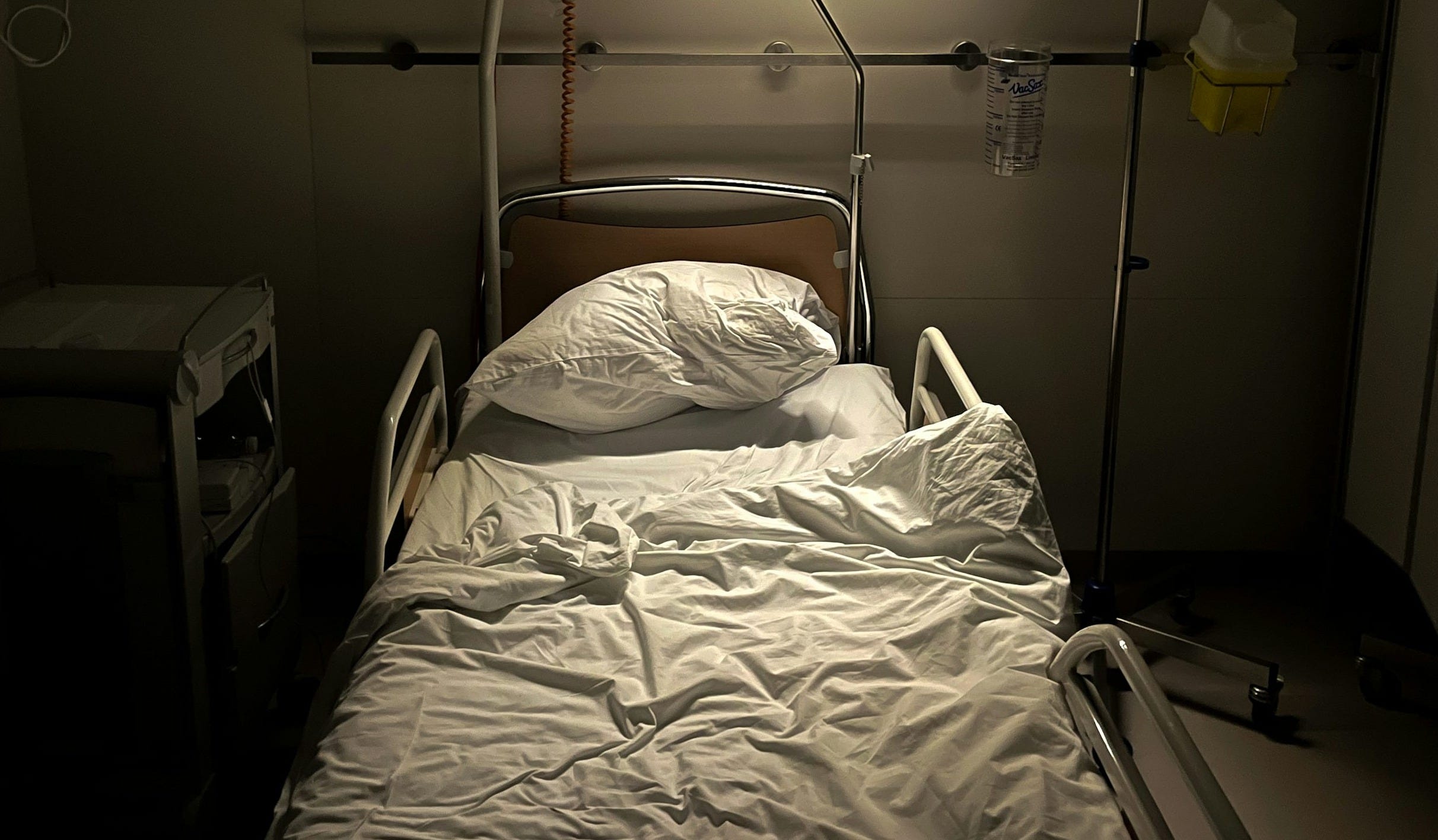
The idea of an advanced directive is fairly similar to the not-politically-touchy topic of a do-not-resuscitate (DNR) order. It is simply making a choice, but further in advance, over how you will die. For many who chose MAID, they are suffering from dementia, ALS, Parkinson’s or Huntington’s disease. They live in what can only be described as hell, because you are aware that your body will shut down before your mind does, in many cases. You are literally trapped in yourself.
Death, however, is not always “imminent.” Many people with these diseases can live for years, trapped, and often in immeasurable pain. The changes that the UCP are proposing would mean that these people would not get the option of choosing how they die, they will only get the option of being in more pain.
Having watched a loved one go through this process, watching an incredible woman being eaten up by disease, I can tell you that it is a fate worse than death.
Death should not have to be imminent to decide you longer want to live with a degenerative disease. Advanced consent, as mentioned before, is similar to a DNR. The difference here being that many on the right have chosen to frame MAID and advanced consent as murder, so in a move to appeal to the base the UCP have come out against it.
Imagine suffering from a degenerative disease, knowing you are going to die, knowing you are going to lose your ability to make decisions for yourself, the helplessness that brings, and then having your government tell you that you do not have a right to make that final and most important decision about your body for yourself.
This bill addresses many concerns about MAID. But it was clearly drafted by people who have never gone through the process or by people whose religious convictions seem to make them believe people should live in pain rather than peace.
This government should be ashamed of playing politics with the life of the sick.
The Line is entirely reader and advertiser funded — no federal subsidy for us! If you value our work, have already subscribed, and still worry about what will happen when the conventional media finishes collapsing, please make a donation today. Please note: a donation is not a subscription, and will not grant access to paywalled content. It’s just a way of thanking us for what we do. If you’re looking to subscribe and get full access, it’s that other blue button!

The Line is Canada’s last, best hope for irreverent commentary. We reject bullshit. We love lively writing. Please consider supporting us by subscribing. Please follow us on social media! Facebook x 2: On The Line Podcast here, and The Line Podcast here. Instagram. Also: TikTok. BlueSky. LinkedIn. Matt’s Twitter. The Line’s Twitter.Jen’s Twitter. Contact us by email: lineeditor@protonmail.com
Aside from a glib "The process has not been perfect" the article does not really grapple with some of the serious problems surrounding MAID. Look at the case of WV v MV, 2024 ABKB 174 https://canlii.ca/t/k3mq5 . MV was a 27 year old woman with autism and ADHD. A doctor noted she was "vague with the course of symptoms” (including things like a "propensity for tripping and falling", "neck pain" and "generalized weakness").
She applied for MAID, and didn't get it because it was 1-1 (only one doctor said yes). She applied again and still didn't get it, 1-1. Then the doctor from the first application was allowed to break the tie.
This issue deserves better then this article.
It's unfortunate that Kristin writes off those who want to limit Canada's MAID regime (which makes up a higher percentage of total deaths than any other country on Earth and is growing by the year) as "people who have never gone through the process [and] people whose religious convictions seem to make them believe people should live in pain rather than peace."
The Line should seek out a contributor to argue in support of the UCP's legislation.