

By: Rob Breakenridge
On the surface, it looks like democracy is thriving in Alberta.
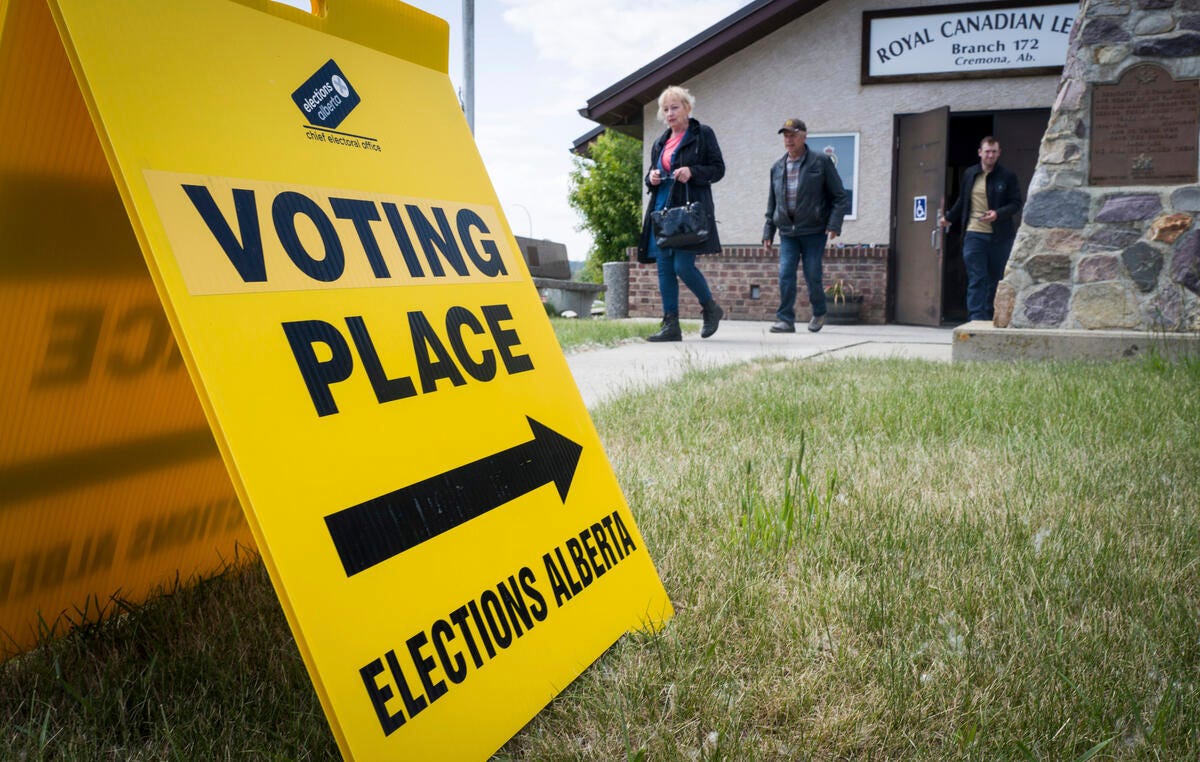
Indeed, it might even seem like an abundance of democracy at the moment, with nine scheduled referendum questions being put to Albertans in October with the possibility of two more — including, of course, a referendum on Alberta separation.
Below the surface, however, it’s a darker and more troubling story. Alberta’s democratic institutions and norms are being put through the ringer. We should be deeply troubled at the growing willingness to test those limits for both selfish and ideological political aims — with little regard for the consequences.
It’s becoming a high-stakes stress test at a time when the province is careening into uncharted territory. We’re about to find out just how resilient these institutions and safeguards really are.
The burgeoning scandal around the alleged misuse of Alberta’s official voters list is but one part of this story, but it could prove to be a turning point. Even for Albertans who aren’t politically engaged, they’re rightly wondering what the hell happened here. This is a massive and consequential privacy breach.
It’s also a rapidly evolving situation. As of this writing, Elections Alberta and the RCMP are continuing their investigations and Alberta’s information and privacy commissioner has now launched her own probe.
Elections Alberta has also confirmed that cease-and-desist letters have been sent to nearly 600 individuals who were either provided the list of electors or accessed the list.
This all stems from a website created by a separatist group known as the Centurion Project — a website that included a publicly accessible, searchable database. Elections Alberta contends that the list of electors — specifically, a copy that had been provided to the Republican Party of Alberta — was used to create that database.

Registered political parties can legally access this list, but not other groups. This is a list of every single registered voter in Alberta, nearly three million names, addresses and phone numbers. As if to underscore the point, the NDP presented evidence that Jason Kenney’s personal information was displayed during a Centurion Project virtual meeting in April.
The former premier is understandably lawyering up and reassessing his own security situation.
So this not only raises questions about the scope of the data breach — how long was this information in the wild and how many people had their information accessed? — it also further raises questions about the missed opportunities to shut all of this down much sooner.
Of course, we also know that our very own Jen Gerson was tipped off about this database and alerted Elections Alberta at the end of March. So why wasn’t anything done at the time?
Part of the answer to this important question lies in the Alberta government’s actions toward Elections Alberta, which has been both overburdened and undermined — and thrown under the bus for good measure, too.
Last year, the Alberta government passed Bill 54, a sweeping piece of legislation that made several changes to Alberta’s election laws. Part of those changes affected Elections Alberta’s ability and authority to investigate complaints.
For one thing, it created a new, higher threshold for initiating an investigation in the first place. That appears to have been a factor in the delayed investigation here, although the province vigorously rejects that. They’d rather make Elections Alberta the scapegoat. Still, though, it’s easy to see how Bill 54 creates a chill or deterrence when it comes to launching investigations.
The Alberta government followed that up with Bill 14, which stripped Elections Alberta of its power to refer a potential referendum question to the courts. Originally, the bill transferred that power to the justice minister, which — awkwardly — would have meant the “chief electoral officer (…) taking direction from the executive branch.”
And, of course, we had the spectacle last fall of the UCP majority on a legislative committee approving only a small fraction of Elections Alberta’s funding request. The additional resources were to address the citizens initiative and recall petitions underway. Since then, that burden now includes administration of the Alberta government’s nine referendum questions and a sprawling data breach investigation.
Amid all of this, we have the Alberta government’s unprecedented rejection of the recommendation of the Electoral Boundaries Commission for new ridings in the province. It’s an unfortunate and ill-timed politicization of an independent process, and it could leave Elections Alberta also now scrambling to implement a new map for the next election.

There are clear political motivations here for curtailing the powers of Elections Alberta or undermining it — and the election laws it oversees — altogether.
The agency’s authority and competence has been called into question thanks to a government eager to pursue its own agenda and cover its own ass. This is all being further put to the test by the all-or-nothing approach from a separatist movement that seems convinced that if they can somehow prevail, none of this will matter in this ensuing constitutional chaos.
So what now?
The proverbial horse is out of the barn in so many ways. It’s a little late in the game to suddenly realize the importance of bolstering and instilling confidence in these norms and institutions.
When it comes to the data breach, the premier has insisted that her government wants to allow these investigations to proceed and that they eagerly await the results. But these investigations could take months. What then?
Last week, Deputy Premier Mike Ellis told reporters that it’s possible the scheduled October referendums could be delayed, given the multiple ongoing investigations and just the sheer magnitude of the situation. At this point, a delay would make sense, but it doesn’t address any of the underlying issues here or undo the damage that’s been done.
Meanwhile, there are growing calls for a public inquiry into the data breach. That could help provide answers and maybe even help restore public confidence, but there’s a close to zero chance that the government would consider this option.
Either way, public faith and confidence in the system needs to be addressed before Albertans cast another ballot in any vote.
Rob Breakenridge is a Calgary-based podcaster and writer. He can be found at robbreakenridge.ca and and reached at rob.breakenridge@gmail.com

To contact The Line with a general inquiry or comment, please email info@readtheline.ca. For other ways to connect with us or to follow us on social media, please see our LinkTree.

Maybe it's just me and my 'sunny ways' but throughout most of my life I never saw a telephone phone book filled with names, addresses, and phone numbers as a data breach. In fact, the first thing most of did after receiving the yearly book was check to make sure the personal information it listed was correct. But now? A deadly conspiracy is afoot, I tell you. (It took personal time, effort, and money to remove this information from the public domain and gain an unlisted number... which it was why it was called 'unlisted'. And there was nary a scandal in sight.)
My, how times have changed. Now the risk to safety for this unacceptable breach cannot be overstated and the culprits held to account for their dark motives. Think of the thousands in some form of witness protection who kept their name and stayed determined to exercise their franchise under it, confident that select electoral officers can access this information with no risk but anyone familiar with a phone book casts a long and threatening shadow.
I notice that the name Stay Free Alberta doesn't appear once in this article.
ie: the organization who actually collected the 306K signatures seeking a referendum.
If you include the 450K signatures Lukaszuk collected, as many as 750K Albertans have signed petitions seeking a referendum on this subject.
The end result CANNOT be no referendum.